The 1920s was among the most revolutionary decades in fashion. It was the era when social regulations were questioned, women became independent and clothes became a daring manifestation of liberation. The fashion 20s style is iconic even nowadays as it affects the modern runways, the lovers of vintage, and pop culture due to its glamour, confidence, and enduring style.
The decade transformed dressing, and perception of dressing, both in flapper dresses as well as in sharp men tailoring.
The Paradigm Change in Fashion Before 1920s.
The World War I was ended with hope and economic development and the need to hold celebrations. New social freedoms, jazz music, and dance halls also led to an increase in the change in clothing. Fashion had left behind the strict Victorian lines of fashion in favor of comfort, movement, and uniqueness.
Women shaved their heads, raised the hemlines, and wore less fitting clothes. Men started wearing cleaner and sharper appearance which indicated sophistication and modern masculinity. It was through this cultural revolution that we have what we presently hail as fashion 20s style.
Women’s Fashion in the 1920s
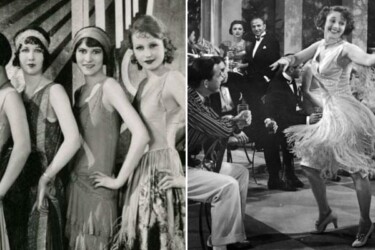
The flapper had become the icon of fashion in the 1920s. These women did not believe in wearing corsets and tight garments; they started embracing straight, drop-waist garments that did not require tightness and were free to move. Dresses were sleeveless, knee length with fringe or beads attached to them.
Key elements included:
- Drop-waist silhouettes
- Loose, boxy shapes
- Knee-length hems
- Decorative embellishments
The flapper appearance was not only in the dress, but the independence and confident and rebellious attitude.
Fabrics and Embellishments
Luxury fabrics were important. Silk, chiffon, velvet, and satin were popular with many applications particularly in evening wear. The dance floor was very well reflected in beads, sequins and embroidery so that movement was included in the design.
Such information is one of the characteristic features of fashion 20s style, which are used to inspire evening gowns up to date.
Accessories That Made the Dress Complete.
Accessories were essential. Women accompanying their clothes with:
- Cloche hats
- Long pearl necklaces
- Feather headbands
- T-strap or Mary Jane shoes
- Long gloves
The accessories were personal, yet they were very elegant.
Men’s Fashion in the 1920s
In the period when the fashion of women was undergoing a significant transformation, the clothing of men developed towards the direction of sophistication and organization.
Tailoring and Silhouettes
Male clothes were tight-fitting suits that were high-waisted, had wide legs and were suspended. Jacket lapels and structured shoulders were lean. Formal events were characterized with three piece suits.
Common features included:
- Wool or tweed fabrics
- Crisp button-down shirts
- Bow ties or neckties
- Two-tone dress shoes
Men fashion of this time was a mix between tradition and modern fashion.
Casual and Sportswear
The rise of leisure activities has increased the usage of casual clothing. During sports such as golf and tennis, sweats, knickerbockers and flat caps were used. This change started the relaxed menswear trends.
Hair and Beauty Fashion.Makeup and Hairstyles of the women.
The decade was characterized by short hairstyles, including the bob and the finger waves. Makeup got an extreme, dark eyeliner, smoky eyes, thin eyebrows, red-deep lipstick. Light skin was in, which was usually done by powder.
This style of dramatic beauty was the best match to the style of fashion 20s and an accent on individuality.
Men’s Grooming
Pomade was preferred by men who liked to have neatly slicked-back hair. Clean-shaven appearance was in, but there were men who had thin mustaches to look distinguished.
The impact of the fashion 20s Style on the contemporary trends.
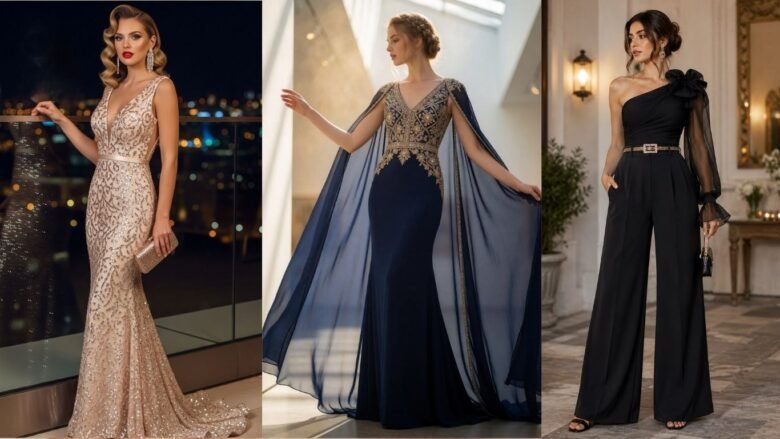
The impact of the 1920s is evident even nowadays. The designers will often go back to the time to be inspired in the evening wear and bridal wear. Fringe dresses, bead gowns and art deco designs are a common feature on runways and red carpets.
Modern fashion borrows:
- Drop-waist designs
- Vintage-inspired accessories
- Art deco motifs
- Gender-neutral silhouettes
The style of Fashion 20s proves the fact that there is no such thing as out of fashion fashion.
Styling 1920s Fashion Today
To adopt the 1920s style, one does not have to dress completely in a vintage style. Even minor details may be used to add classics to a contemporary wardrobe.
Try:
- A high street dress to wear on a special occasion.
- Wear pearl accessories on minimalist clothes.
- Cloche-inspired hats
- T-strap heels or oxford shoes
The combination of ancient and modern leaves a very special, elegant appearance.
Why the 1920s Remain Iconic
Fashion 20s style has withstood the test of time due to its message. It was not all about looks but it was about freedom, expressing, and being against conventions. Fashion turned into a mouth piece whereby it enabled individuals to reestablish identity and self-esteem.
This was the most impactful decade in history as it demonstrated that fashion can be used to respond to social change.
Final Thoughts
The 20s changed fashion permanently. Its audacious lines, opulent fittings and the daring spirit has remained an inspiration to the designers and fashion enthusiasts all over the world. The fashion 20s style is a symbol of a fashion, independence, and eternal beauty, whether you like its history or use its elements in the modern dresses.
Frequently Asked Questions (FAQs)
1. What is 1920s fashion style?
1920s fashion is known for its elegant and glamorous look, including relaxed silhouettes, embellished dresses, fringe details, pearls, art-deco-inspired accessories, and sophisticated eveningwear.
2. How can I wear 1920s fashion in a modern way?
You can bring 1920s style into a modern wardrobe by combining vintage-inspired details with contemporary clothing. Try adding fringe, pearls, metallic accents, or an art-deco accessory to a simple modern outfit.
3. What are the key elements of 1920s fashion?
Some of the key elements include drop-waist silhouettes, fringe, sequins, beaded details, elegant headpieces, pearls, statement jewelry, and sophisticated shoes. These details help create the distinctive glamour associated with the era.
4. What accessories were popular in 1920s fashion?
Popular accessories included pearl necklaces, long earrings, decorative headbands, cloche-style hats, beaded bags, and art-deco-inspired jewelry. Modern versions of these accessories can add a subtle 1920s touch to an outfit.
5. Is 1920s fashion still relevant today?
Yes. Elements of 1920s fashion continue to inspire modern designers and fashion enthusiasts. Fringe, metallic details, elegant silhouettes, and statement accessories can easily be incorporated into contemporary outfits for a timeless look.