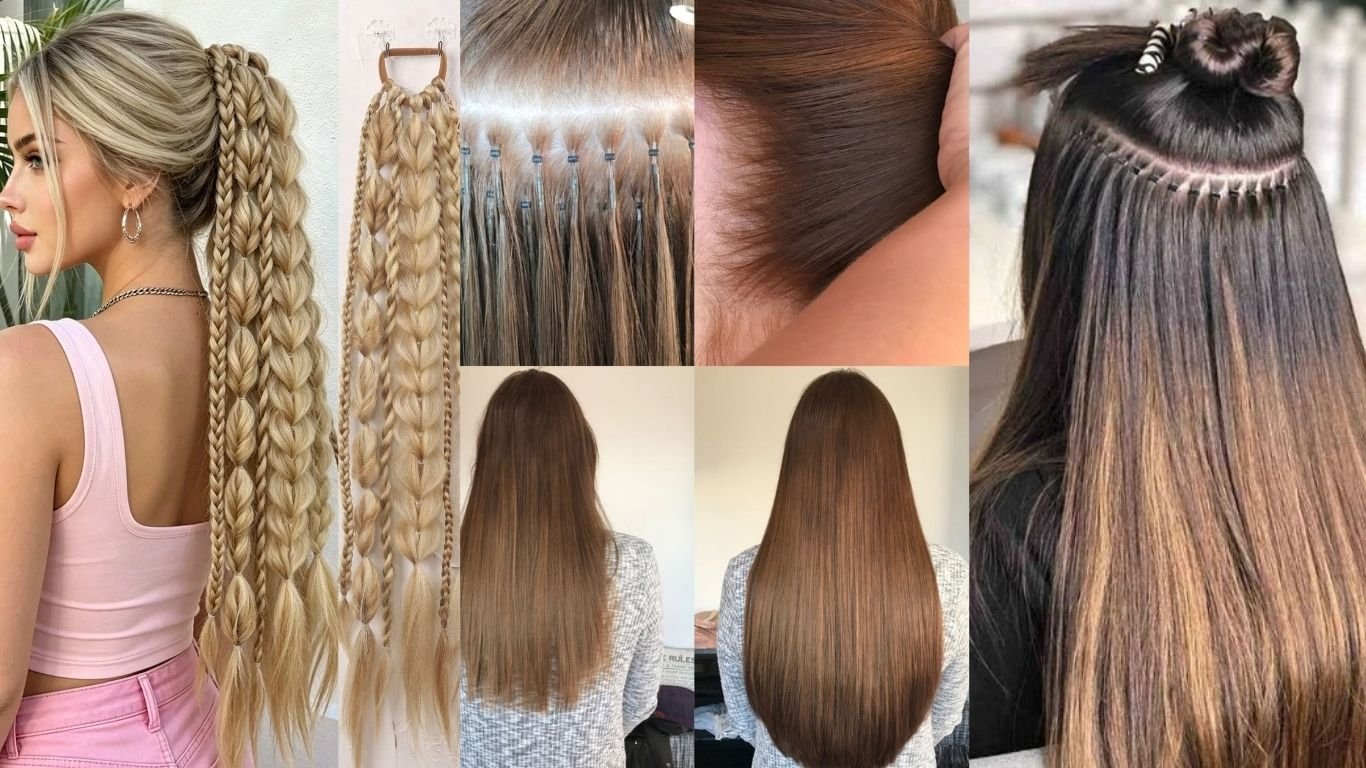
You know what this is.You’ve witnessed this before. There’s someone with swingy, long, thick, easy-to-handle hair and you say, “Oh look gorgeous hair. Then you discover that she has extensions and you understand you might not have known.
This is the actual benefit of contemporary hair extensions. When done properly, they don’t make their presence known. They add length, volume or a pop of color, but they seamlessly integrate with your natural hair, making it impossible for even close friends to tell.
This is for players who want to learn some basics but have been hesitant to do it for fear of appearing fake. Ahead are 6 gorgeous styles, their working and who they are for, as well as what they require to maintain true appearance. You’ll also receive unbiased information on all costs, comfort and care – and the answers to all of the questions that people ask before booking!
Why Extensions Can Look Natural (or Not)
Hair extensions do not look “tacky” due to extensions themselves. They appear fake due to decisions made with regards to the hair. When it comes to getting your new haircut, you’ll be a wiser shopper if you understand what makes the difference between a seamless and an obvious look.
The 4 key ingredients to a natural blend are:
- Color match: It should harmonize with your ends but also your mid-lengths and roots. It is hardly ever done with one flat colour, a good colourist makes customisations.
- Texture match: Hair with a wavy texture extended with straight or wavy hair extensions will not match. It’s as important as shade, texture matters.
- Placement: Wefts and bonds can show if placed too high or too close to the hair line. Their placement is done skillfully, layer by layer.
- Better hold on hair: It will look shinier, hold better and blend in more.
A few words on hair types:
- Purchase human hair: Most natural choice. Can be heat styled, colored and cut just like your hair. Although it will be more expensive, it will last longer if maintained properly.
- Synthetic hair: This is inexpensive and is light in weight but tends to shine more and can burn easily. There are heat friendly versions; they are not as long-lasting.
- Remy human hair: Hair that is gathered with the cuticles going in one direction, making it easier to keep from tangling and it will look smooth.
For those who want to invest in natural hair, it is typically the better investment.
Before You Choose: Think About Your Hair and Your Life
Not all the most popular styles are necessarily the best. It is the one that is best for your hair, your routine and your comfort level.
It enhances hair density and strength.
Lighter and more gentle treatments are recommended for fine or delicate hair. Lifting, pulling, or breaking of roots can result from heavy attachments. When choosing hair extensions, a thick, strong hair will be able to handle more variations.
Your Lifestyle
- Are you active and/or do you swim a lot?
- Do you like to wear ponytails and updos?
- How much time would you like to spend on styling everyday?
Your Commitment Level
There are some that remain for several weeks and others that come out daily. Choose which type of event-day energy or change you desire.
1: Tape-In Extensions
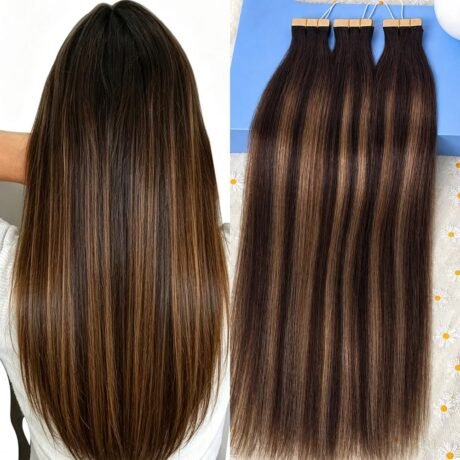
Tape-ins are popular among stylists for those who would like something flat, lightweight and inconspicuous.
How They Work
Medical grade adhesive tape is used to make thin wefts of hair that are wrapped around small portions of your natural hair. They lie flat against the scalp so that they can blend in with the hair.
Why they look Natural?
The wefts are narrow, flat and fit snugly without forming bumps. The freedom of hair movement and the almost imperceptible feel of the hair are great assets.
Best For
- Aperçu de la leçon: Add length and volume
- Fine to medium hair
- Those wishing a semi-permanent solution
Practical Notes
- Average Use: 4-8 weeks until reposition appointment.
- Maintenance: The tapes will have to be professionally taken up and reapplied as hair growth happens.
- Care tip: Oil-based products will not work well in the vicinity of the tape because they will weaken the bond.
Styling Ideas
Either sleek or beachy waves and half-up hairstyles can be used with straight sleek styles to highlight their smooth finish. Discuss with your stylist if high ponytails will show the tape lines as this is highly dependent on the placement.
2: Sew-In (Weft) Extensions
Sew-ins are made in this way and have been around for years, as they will last, fit in to most outfits, and are a great way to add fullness to any outfit.
How They Work
The natural hair is braided into small, flat braids which are coiled along the scalp. Extension hair is then sewn on to those braids, called “wefts.” You can then cover the tracks with your own hair by a skilled stylist.
It’s not about looking natural, it’s about looking good.
With a leave-out section that blends in naturally, sew-ins can be used to add fullness and provide even volume. They may also be employed for weeks, so they are also useful for the busy people.
Best For
- Coarse hair or fine hair that is thick.
- Long-lasting wear
- Dramatic length and/or volume objectives
Practical Notes
- Comfort: Braids may feel tight at first and make sure to let your stylist know if there is any discomfort.
- Scalp care: Shampoos and dries the scalp regularly so as not to build up.
- Duration of wear: They can be worn for 6-8 weeks depending on the type of hair and its growth.
Styling Ideas
Sew-ins work great for curls, bone straight and large blowouts. Many people can wear them for protective styling as long as it is done with little or no tension.
3: Clip-In Extensions
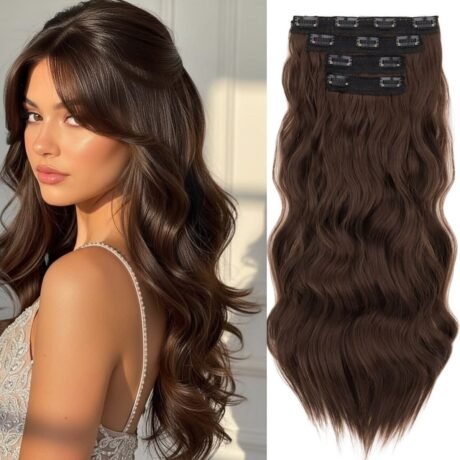
To experiment, and for low commitment, clip-ins are the easiest.
How They Work
Small clips are a type of wefts that secures in the sections of the hair and falls off when you are finished. No gluing, heating or salon visits are needed, although a hair stylist can assist with color matching and cutting.
It’s not about looking natural, it’s about looking good.
There are numerous shades and textures of modern clip-ins as well as a few strategically placed wefts which will include volume that blends in seamlessly. The main thing is where they go: They should be under your own hair, and the clips should be positioned near the scalp.
Best For
- Special occasions
- First-time users
- Person who wants to take a break from their natural hair
Practical Notes
- Daily wear: Take them off before bedtime when they can tangle and put tension on them.
- Care: Gently brush and hang or lay flat.
- Price: They’re usually inexpensive, particularly if you’re trying out the look.
Styling Ideas
For softness, you can try a half-up style, if you want to add a little extra volume you can add a single piece. For longer length, add two or three wefts at varying heights for a gradual blending.
4: Micro-Link (Bead) Extensions
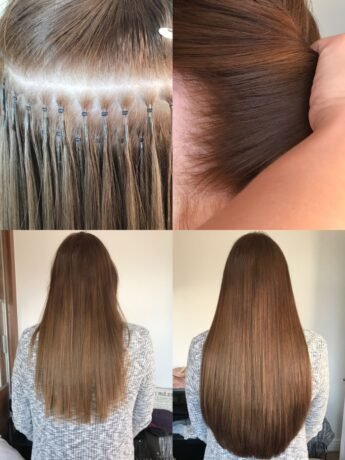
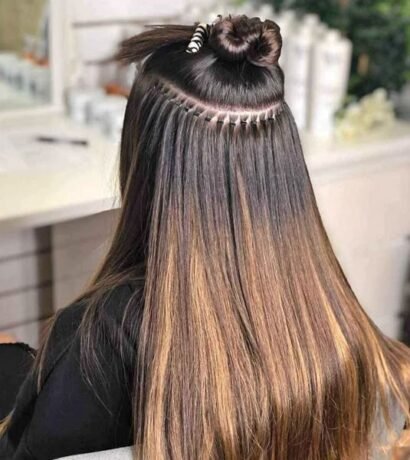
Micro-links provide a strand by strand method of approach, many prefer for its natural motion.
How They Work
Small pieces of natural hair are inserted into a small bead with a piece of extension hair. The bead is then secured to be closed. Most versions are glued or heated together without using glue or heat.
The reasons for looking natural.
The results will be like growing strands from your scalp as each strand is applied individually. This is particularly useful for layering short notes to add some subtle volume or layering.
Best For
- Medium to thick strands of hair.
- Individuals who wish to have a flexible, glue-free solution
- Anyone who likes to pull their hair back into their hair style often
Practical Notes
- Wear time: Will require 6-10 weeks untill adjusted.
- Care: Do not pull, brush with soft bristle brush.
- The following are more considerations: Beads may be felt more by some people, particularly with finer hair. In case of comfort, talk to your stylist.
Styling Ideas
Strands are applied throughout the head rather than being concentrated in one area, which means that you won’t have to worry about showing through for ponytails, braids and updos.
5: Halo Extensions
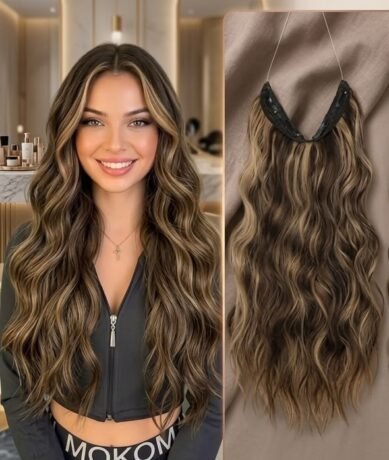
Seeking the ultimate power for a secret weapon without using clips, glue or sewing? The easy way to get some halos is with halo extensions.
How They Work
The single weft of hair is fastened on a thin and transparent wire that is fitted around the head like a crown. The wire is hidden in your own hair and the extension hair is underneath and blends in with your natural hair.
Why They Look Natural.
Wire is positioned low on the head and with hair added on top. The blend is smooth and even as there is no sign of attachment points between the weft, since it is one piece.
Best For
- Beginners
- Anyone who wants an instant length or volume
- Those who don’t wish to use clips or adhesives
Practical Notes
- Easy to remove: They can be quickly removed.
- Comfort: The wire will be firm, but not tight.
- Limit: They are not perfect for high ponytails as the wire on the ponytail may show.
Styling Ideas
For loose curls, waves and sleek down styles, you can use halos. For blending with natural and extension hair, team them with a slightly textured finish (light spray) to help make it work.
6: Ponytail and Braid extensions
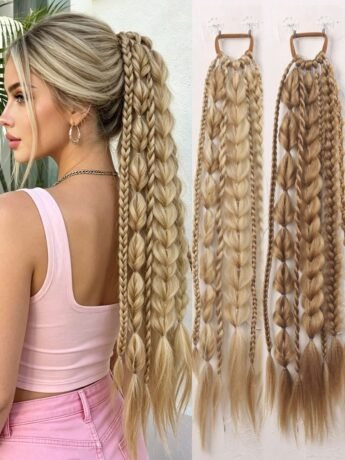
Not all extensions are supposed to be 100% length. Styles can be very dramatic and can be targeted in a single shot in no time at all.
How They Work
A ponytail piece is a piece of hair that is gathered and fastened into a ponytail that is worn on the head. For protection and/or decoration, braid extensions are woven in.
Why They Look Natural.
Pony tail is ideal to add volume and length to hair without having to change anything else. It can look real nice when installed, if the fibres used to make the textured braids are the same.
Best For
- Events and photoshoots
- Those who enjoy ponytail hairstyles
- Fast and easy changes, with minimum effort.
Practical Notes
- Incorporating tip: Use a thin piece of your hair to wrap around the base to cover up where the attachment is fastened.
- Use: Gently detangle; apply correctly.
- Braid care: Chill the tension when installing and moisturize scalp.
Styling Ideas
For a more sophisticated appearance, opt for a high ponytail, for more casual, try a swingy low ponytail. For braids, add decorative cuffs and/or beads to add personality.
Color Matching: The key to a flawless appearance of the whole
Even the most successful installation will not look flawless if the colors don’t match. A bit of interest in this one reaps benefits.
The following are tips for a Perfect Match:
- Match in natural light conditions. Shades can be affected by colors of indoor lighting.
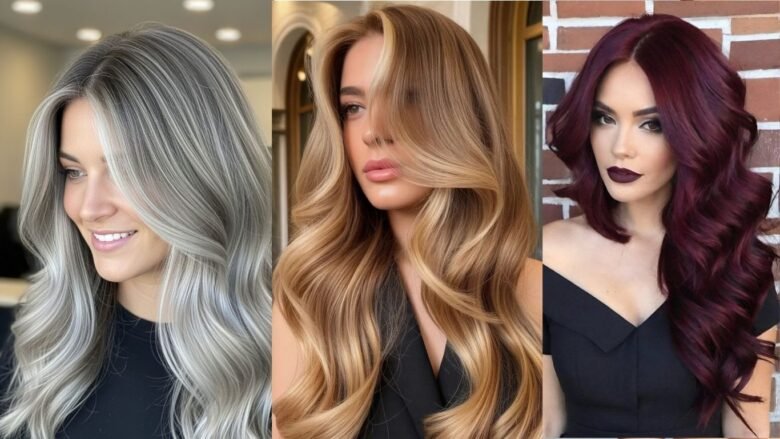
- Take into account the ends and roots. Your hair could range in color from light to dark.
- Blend multiple shades. A lot of stylists blend two or three tones together to achieve a more natural look.
- Bring recent photos. They assist you to reveal your actual personality.
- Plan for fading. Your natural hair can alter due to the sun and bathing.
A color chart for when colors get difficult.
If you have hair that is highlighted or ombré, inquire about custom colors. Human hair extensions can also be dyed to match, with the exception of extensions that have been treated, or human extensions that are in need of upkeep.
How much does it cost and how good is it?
The cost of wigs can range from one to another depending on the quality of the hair, technique, and expertise of the stylist. Don’t just go for the cheapest option, consider value.
- Hair quality: Quality human hair typically is going to be more expensive however, will last longer.
- The installation – there’s money to be made in that and experienced stylists insert themselves into the scene and it can make all the difference.
- Long term: Maintenance appointments are additional costs for repositioning and/or refreshing.
- Replacement: Low-quality hair can easily become tangled and may fall out.
Request an entire estimate, including maintenance visits, hair and installation. A good stylist will happily give it to you.
Care and maintenance of extensions
The blend is realized through good care.
- Brush gently. Use a loop brush and wide tooth comb to start at the ends and work upwards.
- Wash carefully. Apply the shampoo and conditioner to lengths only, use sulfate-free products.
- Dry thoroughly. Moisture is a problem around attachments, tangling and odor may occur.
- Protect while sleeping. A loose braid or a pillowcase made of silk will minimise friction.
- Use heat wisely. Use heat protectant and control temperatures of tools.
- Don’t place large, heavy items close to any bonds. The thicker and the oils, the more they are likely to slip.
- Make appointments to maintain. Can result in matting and tension if not done soon.
Taking care of your natural hair
There are no extensions which should cause pain. If you are tending to feel tightness, itching or soreness, please reach out to your stylist immediately. If there is a persistent irritation, hair loss or swelling, consult a health care professional for a diagnosis. Gentle removal – usually by someone trained to do it – means that your natural hair is not damaged.
Common Errors to stay clear of
Making the choice of hair that is too dense for your own: It can strain.
- Failure to take texture into consideration: Mismatches are easy to find.
- No professional consultation: If there are mistakes done in the process of extension installation, both fake and natural hair can suffer the consequences.
- Excessive heat: Insufficiently good extensions can be destroyed by excessive heat.
- Sleeping with wet hair: Tangles and weakens bonds.
- If appointments are spaced too far apart, matting will occur due to overgrowth.
- Go for the lowest price: Quality will reflect.
Trend Outlook: Where Extensions Are Heading
The direction of the market is heading towards natural looking. Stylists are working towards extremely thin, flat and light installations and hand tied wefts that lie more closely to the scalp. Customized color mixes are also becoming more popular and shorter, bouncier hair styles — not to mention floor-grazing hair — are gaining popularity as well.
The answer is simple: The best looks are those that feel like a better version of you.
Final Thoughts
There’s no need to share anything with anyone that you don’t want to share with them. When the color is matched just right, the stylist is an expert, and the technique is right for you, hair extensions can look as natural as your own hair and even look better in pictures.
Whatever type of tape-in, sew-in, clip-in, micro-link, easy halo or quick ponytail piece you go with, ask yourself some honest questions about your hair and routine. Please treat your natural hair nicely and adhere to care guidelines, and attend maintenance regularly.
What is your favorite style? Save your favourite, make an appointment and prepare for the compliments.
Frequently Asked Questions about hair extensions
Q1. Is extensions do damage the natural hair?
Not if these are properly selected, installed and maintained. Over weight, too tight, inadequate removal and lack of maintenance are common causes of damage. You can get professional consultation and choose a method which works well on your hair.
Q2. How many hours do they last?
It will depend on the technique and the quality of hair. Carefully used, clip-ins can last for several months, whereas tape-ins, micro-links, and sew-ins will require adjustments every few weeks. If well cared for, well quality human hair can be re-used.
Q3. Do I need to wash and style them as I would do with my hair?
Mostly, yes. Human hair can be washed, heat styled and even dyed. Gently use products, avoid heat and scrub the bond areas.
Q4. Of all methods which one is the best for fine hair?
Tape-ins, halos or strategically placed clip-ins can often be effective. If the strands are thin, heavier techniques could damage them; make sure to talk to your stylist about them.
Q5. How to get them to look natural?
Check color, texture and ensure that they’re high quality hair; recede or cut them with your natural hair by a stylist. The rest is done with correct installation and maintenance.