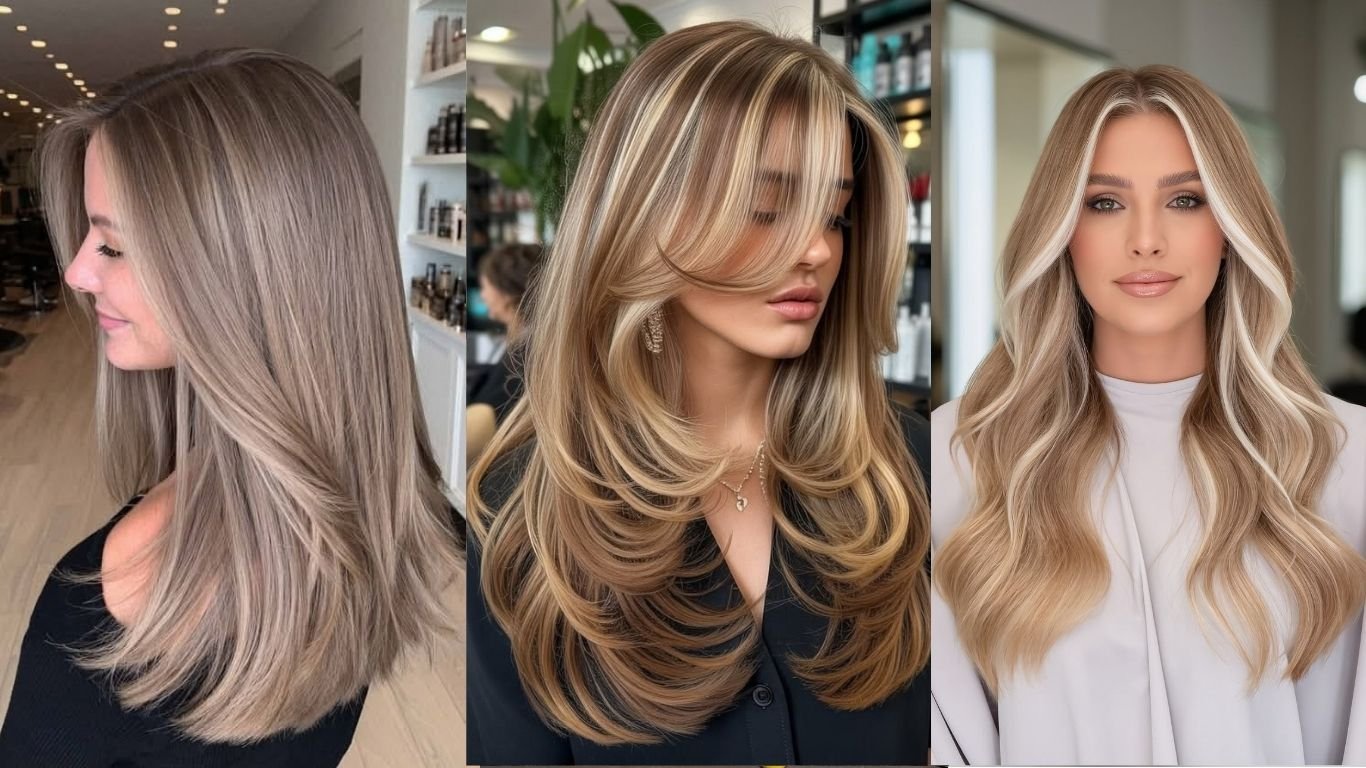
You know the type of person that has hair that doesn’t even need a brush through? It is soft, sun warmed, dimensional and just seems to fall into place the second that they step outside. There’s a pretty good chance that it has been done on purpose to achieve that ‘just happened’ effect.
No matter what the reason, that’s the key to dirty blonde hair. It’s in the middle ground of light brown and blonde, which makes it a sophisticated, natural and very understated glam look, not as extreme as platinum and not so demanding as to be heavy. Best of all, it grows with style, hence, the perception of being expensive.
Find eight gorgeous ways to wear this shade, who they are best suited for, how to request it and how to keep it fresh below. Let’s get into it.
Why Dirty Blonde Hair Is the Perfect Haircolor
It’s useful to know what you are dealing with before you can formulate ideas. Dirty blonde is a medium tone in between light brown and golden blonde. Even though it’s a not-so-nice name, it’s not dirty! It’s like a blonde with some shadow and lots of character.
Here are some of the reasons why it attracts so many people:
- It looks natural. It’s also very close to many individuals’ natural hair color so it is never garish for “salon.
- It’s flexible. Depending on your skin tone, it can be lean warm (honey, caramel), cool (ash, beige) or neutral.
- It grows out well. Blended roots are not hard, which means fewer touch-ups, and fewer frantic salon calls.
- It will work for a variety of skin tones. The right undertone is perfect for all fair, medium and olive complexions.
Another factor in this, is its size. If you use one single tone of colour, and it’s fairly flat, it will appear “dyed. The combination of light and dark, on the other hand, emulates the lighting of natural hair. The interplay is what people refer to as, “hair looks ‘expensive'”.
Determine Your Undertone – It Changes Everything
A lot of people don’t do this and that is why a picture that looks great in color can appear dull when you look at it in person. You should go for this shade’s color depending on your skin tone.
Quick undertone check:
- Warm undertone: Veins are greenish, gold jewellery looks good on you and you tan easily. Try for a honey, caramel and golden color.
- Cool undertone: Your veins are bluish, silver jewelry looks good on you and you burn up easily. Ash, beige and sandy colors will be appropriate.
- Neutral: You notice a combination of both and can wear both metal types. You’re at liberty to select, depending on the mood you need.
Remember to refer to this while reading through the ideas. They all feature a comment indicating who they’re most flattering for.
1. Honey-Kissed Dirty Blonde with Soft Babylights
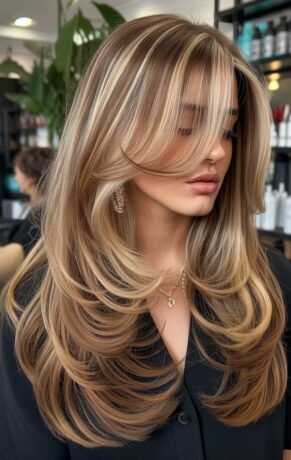
If it had an “Effortless glow” award, this would get it. Ultra fine highlights woven into the hair to provide a soft, diffused highlight rather than a contrasting stripey look.
How it feels: A warm base with light, thin strands of honey in it. It appears you spent a summer out-of-doors, even in February.
Best for those with warm and neutral tones, particularly light brown hair and who don’t want to go all out with a brightening.
How to request it: Always include a picture and a statement like, “I would like fine, soft babylights, honey tones, balanced root and no lines shown.
Styling tip The best way to display the dimension is with loose waves. Brush out the curls with your fingers for a natural look after curling with a large barrel curling iron.
Maintenance: Low. This is because the highlights are very fine and the root is blended so you may be able to wait as long as every three or four months. A Gloss between retains the shine.
2. Ash Dirty Blonde for a Cool, Modern Finish
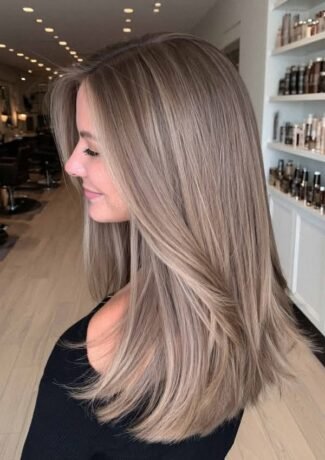
Polished and chic city tones are the Ash Tones. This shade will have a subtle gray-beige quality which will help to neutralize brassiness and will create a sleek, editorial effect in your hair.
How it looks: It has a smoky, muted, sophisticated look; it’s sort of like a cashmere sweater in hair. Also known as “mushroom blonde,” it truly shines in blunt cuts and sleek bobs.
It complements: Cool and neutral colors. If you are very warm/golden skinned, request that your colorist add a hint of beige to the color to prevent ashy tones.
How to describe it: “I would like a cool, ashy dirty blonde with soft dimension – not gray and not yellow”.
Hair styling advice: Smooth and straight hairstyles help to accentuate the smoky appearance. Just a little shine serum on the mid-lengths and ends will give it a glassy and healthy appearance.
Maintenance: Moderate. Cool colors will fade more quickly, so consider using a purple or blue toning shampoo once a week and consider a gloss every 8-10 weeks.
3. Caramel-Toned Bronde for Rich, Dimensional Warmth
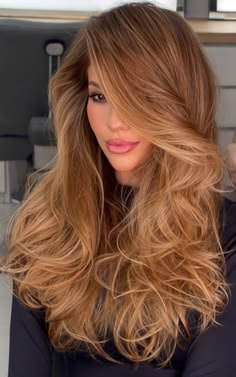
A mixture of brown and blonde, Bronde is a popular choice for stylists as it looks good on almost anyone. When you slant it towards caramel, it’s the warm, shiny version of this trend.
How it looks: Lots of oily deep roots becoming soft caramel ribbons. The outcome is decadent and shiny – like as if taken from a high-end hair-care commercial!
It’s perfect for those with warm and olive tones to their skin, and anyone with brown eyes. It’s also a nice shade for those who are transitioning out of dark hair.
How to order it: “I want a bronde, but would like it to be bronde and caramel with golden blonde dimension, my base will be a little darker to contrast.”
Hairstyle: Part it to the side and add some volume to the crown. Adding depth to colour with lift at the roots creates thicker, luxurious hair.
Care: Easy to moderate. While caramel looks good with age, a colour safe conditioner combined with a weekly mask will maintain the shine.
4. Root-Smudged, Lived-In Dirty Blonde
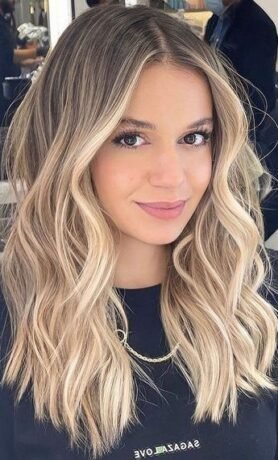
It’s the perfect low maintenance, high return on investment appearance. We call it ‘root smudge’ or ‘shadow root’ and it gently fades your natural root colour into the lighter lengths resulting in no startling regrowth line.
How it appears: A gradual change in colour from dark to light. It seems like you’re doing it on purpose but no one knows where your natural color fades and the salon color begins.
It’s for: People who don’t like regular computer maintenance. It is especially suitable for busy people, new parents or anyone who wants a color that is compatible with their lifestyle.
How to request it: “I could appreciate a soft root smudge with lived-in, blended finish to enable me to go four to five months between appointments.
Styling advice: If you want to go for a bun, go for a messy half-up, or a low bun. The soft transition is particularly stunning when hair is pulled back and the roots are on display.
Maintenance: Very low. It’s the hue you opt for when you want to look nice without sticking to the salon.
5. Beige Dirty Blonde with a Face-Framing Money Piece
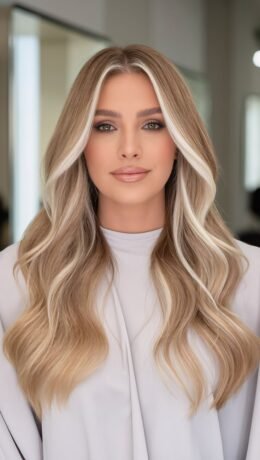
A little but significant detail – the money piece, a pair of brighter strands around the face. It provides instant shine, enhances face color and allows you to have the rest of your hair a natural darker shade.
What it looks like: It is a smooth honey blonde in the front, gradually fades back to a more subtle dirty blonde.
It looks good on: It looks great on just about everyone, but the undertone of the money piece should match your undertone. Golden beige suits will look great on a warmer complexion, pearly beige suits will look great on a cooler complexion.
How to ask for it: “I would like it to be brighter, creamy beige face-frame and my base colour to be a natural dirty blonde.
Tip: Crowns, or face-framing curtain bangs, accentuate the shine the most. Away from your face for a fresh open look sweep them slightly.
Drought Tolerant: Low to moderate. Only the front pieces have to be periodically replaced, thus maintaining low cost. Gentle purple shampoo to prevent the brighter strands from yellowing.
6. Sandy Beach Blonde with Soft Balayage
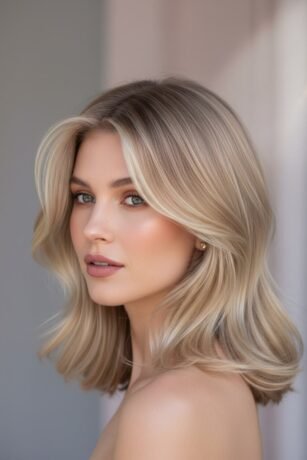
Balayage is a free hand technique of painting hair to create a natural, graduated lightening effect. In sandier hues, it provides the sun-bleached, “just back from vacation” look.
What it looks like: Soft, sandy highlights that are gathered towards the mid-lengths and ends, and finish with a relaxed, lived-in style.
It’s for: Anyone who prefers a more relaxed and adventurous style and those with neutral and warm shades. It is suitable for medium to long hair and the gradient can be seen.
The request: “I would like a natural dirty blonde with some sandy balayage, hand painted for a soft look, no harsh contrasts.
Styling hint: Beach waves tend to go together. Use a texturizing spray, twist small sections and once it has dried approximately 80 percent, use a diffuser.
Maintenance: Low. Balayage is a relaxing process which allows for 4-6 months between appointments. A humidifying mask once a couple of weeks to prevent the lightened areas becoming hard or dry.
7. Champagne Dirty Blonde for a Luxe, Glossy Finish
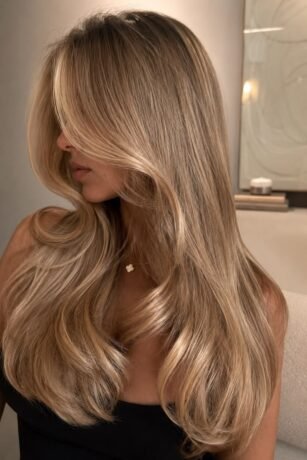
Champagne blonde is quite light, very fine and slightly golden in color, much like a glass of sparkling wine in the sunlight. With a deeper base, you’ll have one that is dressy but not overdressed.
It will look like: A soft pinkish-golden blonde with a warm mid-toned base. It is shiny with a satin finish, and appears shinier from every angle.
Best for: Light to medium skin tones with neutral to warm undertones. It’s particularly beautiful on light eyes, but can also be a stunning look on brown eyes.
The wording used to request it: “I want a champagne coloured dirty blonde with a glossy finish, softly dimensional and not too yellow and not ashy.
Styling tip: You can wear the soft Hollywood waves or sleek blowout to reveal the shine. Add light, gloss spray to get the ‘just left the salon’ effect!
Maintenance: Moderate. Very fine colors require a professional gloss every 6-8 weeks for a long-lasting shine. Always use a heat protectant and sulfate free shampoo for styling.
8. Dark Dirty Blonde with Buttery Lowlights
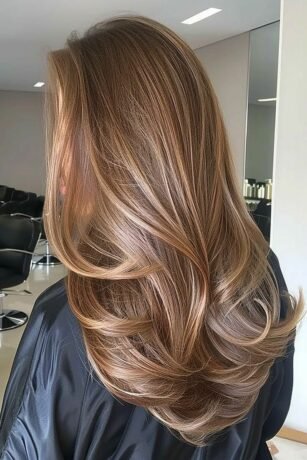
Not all people want to lose weight. Adding lowlights to a darker blonde base will create a high-end, sophisticated look, if you prefer depth and richness over brightness.
Description: It has a darker base with softer, buttery highlights and a bit of darkness under the highlights. The contrast is what is going to give the dimension and the multi-tonal look that will be captured great shots.
It’s ideal for: Most hair colors, especially those with naturally dark blonde or light brown tones seeking a sophisticated, understated change. It’s also a good choice for those who like a more subdued, understated hue.
What they’ll say: “I would like a color that is dark dirty blonde with a few buttery highlights and soft lowlights to add depth and a very natural finish.
To style: Layered cuts that have movement, such as a shag or long layers, will allow the lowlights to show through creating a full, luxurious appearance.
Maintenance: Low. The colour is very close to the natural colour; regrowth is hardly noticeable. Twice a year will usually be enough.
What is it about “Expensive” Hair?
You may have seen a theme throughout all eight ideas. The color is important but the finish is more important. The difference between a costly looking hair and a normal hair is as follows:
- Shine. Luxury hair is healthy hair that is light reflecting, which means it looks good, no matter the color. Glosses and glazes will be your best friends.
- Dimension. A lot of tones mixed together and muted down, will look more natural than a single flat color.
- Soft transitions. The lines that are visible between roots and lengths can appear unfinished or the lines that are blended can appear intentional.
- Healthy ends. Even the best color can be ruined due to split and frayed ends. Regular trims matter.
- Good tone. Brassy or muddy color immediately detracts from any appearance. A good tone will make things stay clean.
The one thing you should remember from this article is this: Don’t compromise the health of your hair in order to be light. It will always appear richer than an overlightened and dry version, and a slightly deeper, shinier color.
How to Talk to Your Colorist: So You Get What You Want!
The first step to Great Colour is a Great Consultation. But, many of the failures are not of a technical nature but of a communications type. These habits help:
- Bring a couple of reference photos and/or three to four. Add at least one of those that you don’t want as it is actually quite helpful.
- Use descriptive words. Words such as “soft,” “blended,” “creamy,” “warm” and “ashy” provide much more direction to your stylist than does “blonde.
- Don’t forget to be honest about your past. Box dye, henna and bleaching in the past will all impact upon new color absorption.
- Discuss maintenance. Informs your colourist how often you are willing to visit. A professional will customize the technique for you, according to your time and budget.
- Ask about a gloss. A toner or gloss is used by many stylists to finish and provide shine and lock in the correct tone.
Even if you have dark hair, it’s important to have realistic expectations. It can take more than one appointment to safely proceed with the process to a lighter color, and any hair colorist worth their salt will take your hair’s health into consideration.
Interconsultation: Color Maintenance between visits
Once you’ve left the salon, the length of time that the color lasts will be dependent upon your daily routine. This easy process is effective for most shades:
- Wash less often. Most people need to exercise 2-3 times weekly. Both color and moisture are removed due to overwashing.
- Use a colour and sulfate free shampoo. Strictly speaking, hard cleaners diminish the tones quicker.
- Tone smartly. For yellow or brassy hair, purple shampoo and for orange hair, blue shampoo. Do not use too much as it may make your hair dull or dingy.
- Condition & mask each week. Lightened hair is porous, and needs lots of moisture and protein balanced treatments.
- Protect from heat. Heat protectant should always be used prior to blow drying, curling or straightening.
- Shield from the sun and chlorine. Your tone can change for many reasons: UV rays, pool water, just to name a few. A leave-in that is UV giving or a swim cap helps.
- Rinse cooler. A last wash at a cool temperature will help to seal the cuticle and add shine.
Here are some of the typical errors to steer clear of:
No matter how good the color it can be marred by any little mistake. Be aware of these:
- Making the wrong undertone selection. On very warm skin, a cool shade will make the skin look sallow and brassy on cool skin.
- Over-toning. Purple shampoo when washed can accumulate to give a muddy look.
- Skipping trims. When hair ends are damaged, colors tend to fade out of the hair and appear uneven and dull.
- Ignoring hair health. This is because, if not cared for properly, lightening will cause dryness and breakage.
- At-home corrections (DIY). When color problems arise, it’s best to consult a professional in most instances rather than try to correct them.
Which Idea is the best for you? A Quick Guide
Still undecided? Use this as a point to start with:
- Looking for the most easy maintenance? Opt for root-smudged or dark with lowlights.
- Enjoy a nice warm sun shower? For honey babylights or for caramel bronde.
- Cool and sleek – you prefer it? You’ll find it easiest to wear ash or beige with a monetary accessory.
- Want something dressy? Polish is provided by champagne blonde.
- Looking for something laid back, beachy? Sandy balayage comes out on top.
Keep in mind, these are all “flexible. A colorist is able to mix aspects of multiple concepts to suit your face, lifestyle and history of hairstyles.
Final Thoughts
Loudest and lightest are not the best hair color. It’s the one that makes you feel like you’re a more streamlined, refined version of yourself. Dirty blonde hair can be done in a variety of ways, including warm honey threads, cold ash or a rich bronde, all of which provide a low drama, but still luxurious, look.
Begin with the undertone, pack some good reference photos and look for shine and healthy ends. Then, you will leave the salon with colour that looks natural, flows nicely and grows out gracefully!
Which of these eight ideas are you being called to do? Save your favourite, book your consultation and let your next colouring be as easy as you are feeling.
The list of Frequently Asked Questions (FAQs) is provided to assist with your inquiries
Q1. Can this colour be used on all skin tones?
Yes, an appropriate undertone, Honey and caramel are warmer skin colours, ash and beige are cooler skin colours and neutral skin tones can go either way! With a few words to your colorist you will be able to dial in the perfect color.
Q2. how many times should I go to the salon?
This will be based on the approach used. Any soft and blended colours, such as root smudges and balayage, can be worn for four to six months, while cooler and lighter shades can require a gloss once every six to 10 weeks. Talk to your stylist about your appointments to find out how to schedule.
Q3. Will this color compliment dark brown hair?
Yes, often, but not always and it may take more than one session. The tone lift of dark to light blonde hair should be carried out over a period of time, so as to not weaken the hair. A bronde or low-light toned hair color is a softer option.
Q4. How to prevent brassy colour?
Book a gloss every week between color treatments to refresh the color, use a color-safe sulfite-free shampoo, tone with purple shampoo once a week and avoid heat and sun damage.
Q5. Will this colour effect my hair?
While any lightening method can be used on hair, today’s hair-lightening methods such as babylights and balayage are less harsh, as they are applied in a strategic way. If you apply them professionally, condition regularly and take proper care of your hair when you are applying it to your head, you can maintain healthy, shiny hair.
hhbjbjhbubj